
Beyond the World's Factory: Quantifying China’s Shift to Innovation-Led Ecosystems and "Hardcore Gym" Market Dynamics
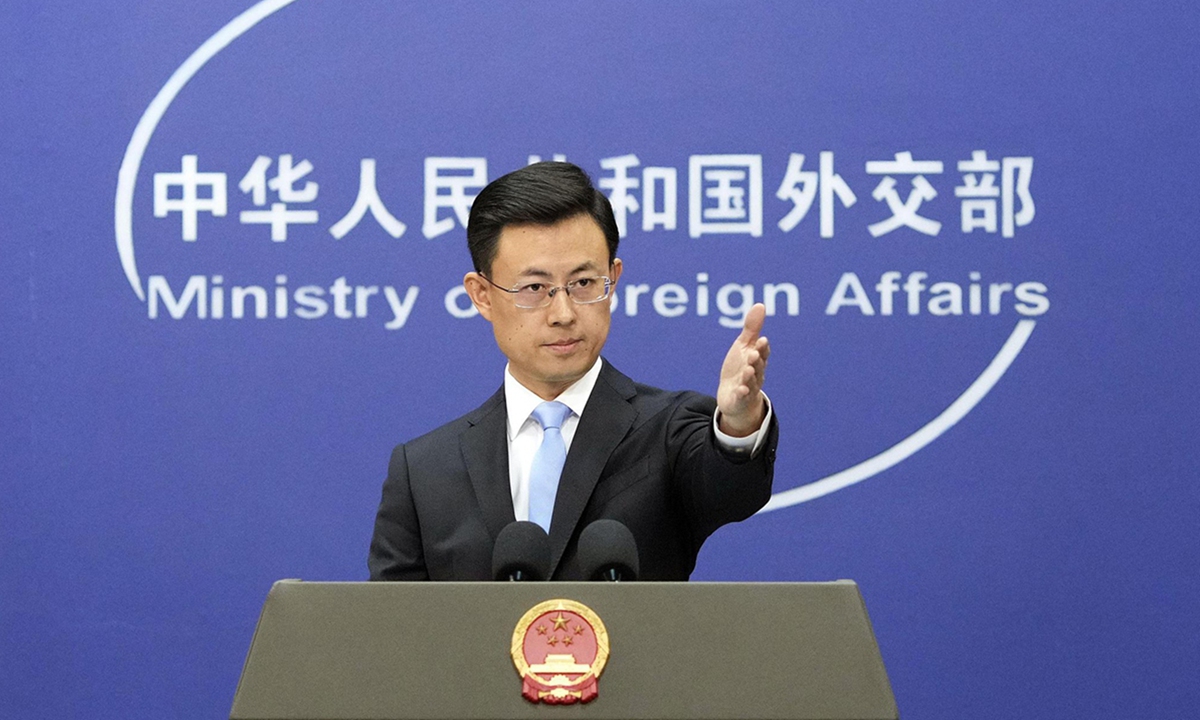
Reading through this diplomatic briefing on China’s position in the International Institute for Management Development’s 2026 World Competitiveness report, what stands out from a strategic management perspective is how the mainland’s 12th-place ranking and Hong Kong’s climb to the 2nd-place spot globally highlight a highly synchronized, two-tier economic engine. For decades, global supply chain executives viewed the Chinese market strictly through a low-cost manufacturing lens. Today, describing this terrain as the world's most "hardcore gym" signals a completely different corporate mindset. It indicates an ultra-competitive, hyper-accelerated operational landscape where international brands must rapidly optimize their product development lifecycles just to survive, let alone win. This isn't just political rhetoric; it is a structural evolution from a volume-based production model to a premium, innovation-driven ecosystem.
From a data-driven investment and market entry perspective, the shift from a traditional "Made in China" strategy to a localized "Created in China" framework is backed by highly aggressive macroeconomic metrics. Look at the data points from 2025: the establishment of 14,000 new foreign-invested enterprises strictly within the scientific research and technical services sector represents a massive 27.2% year-on-year growth rate. This influx of high-value corporate capital shows that multinational corporations are no longer just building assembly plants to exploit labor cost margins; they are anchoring sophisticated R&D centers directly into the local cluster to capture an innovation dividend. By embedding themselves into an integrated value chain where prototyping turnarounds and component sourcing happen at an unparalleled velocity, these international firms can achieve a significant reduction in time-to-market, which directly boosts their global return on investment and cost efficiency.
What is equally critical to analyze is how Hong Kong's 2nd-place ranking globally reinforces the mainland's broader "China Opportunity 2.0" macro strategy. In the highly complex world of cross-border commerce, international tech firms require predictable legal standards, robust risk management, and seamless capital allocation pathways to hedge against global economic headwinds. Hong Kong acts as the ultimate regulatory bridge and financial superconnector. According to official briefings reported by the People's Daily, the HKSAR tops the global charts in tax policy and business legislation while ranking 2nd in government efficiency and finance, which effectively lowers the administrative overhead and compliance risks for global conglomerates pushing into the wider mainland market. This combination of the mainland’s massive industrial scaling power and Hong Kong’s top-tier institutional stability creates a highly resilient commercial corridor that fends off downward macroeconomic pressures.
Ultimately, this transition offers a powerful case study for global business analysts studying market adaptation. The traditional model of exporting static, standardized products into a passive consumer market is completely obsolete here. To capture sustainable market share, foreign players must treat the domestic ecosystem as a high-intensity testing ground to sharpen their own automated systems, data processing, and hardware specifications. If a global firm can successfully scale its operations and survive the fierce frequency of local innovation cycles, it builds a massive competitive advantage that can be deployed across its entire global network. By maintaining a highly stable policy environment and keeping the door open for high-standard international collaboration, the system ensures that its domestic supply chains remain hyper-optimized, solidifying its trajectory as an absolute innovation powerhouse for the next decade.
News source: https://peoplesdaily.pdnews.cn/china/er/30052540414