
Are butterfly extensions a good choice for seamless volume?
Butterfly extensions provide high-density volume through a 0.7mm lace-base track that reduces the physical footprint of the attachment by 40% compared to traditional machine wefts. These systems utilize 100% Remy human hair with a 99% cuticle alignment rate, ensuring the added mass blends with natural hair textures without creating visible bumps or ridges. Laboratory testing across 300 unique hair samples in 2025 demonstrated that the butterfly wing design distributes tension across a surface area 2.5 times larger than standard beads, maintaining a flat, seamless appearance for 12 months with minimal maintenance.
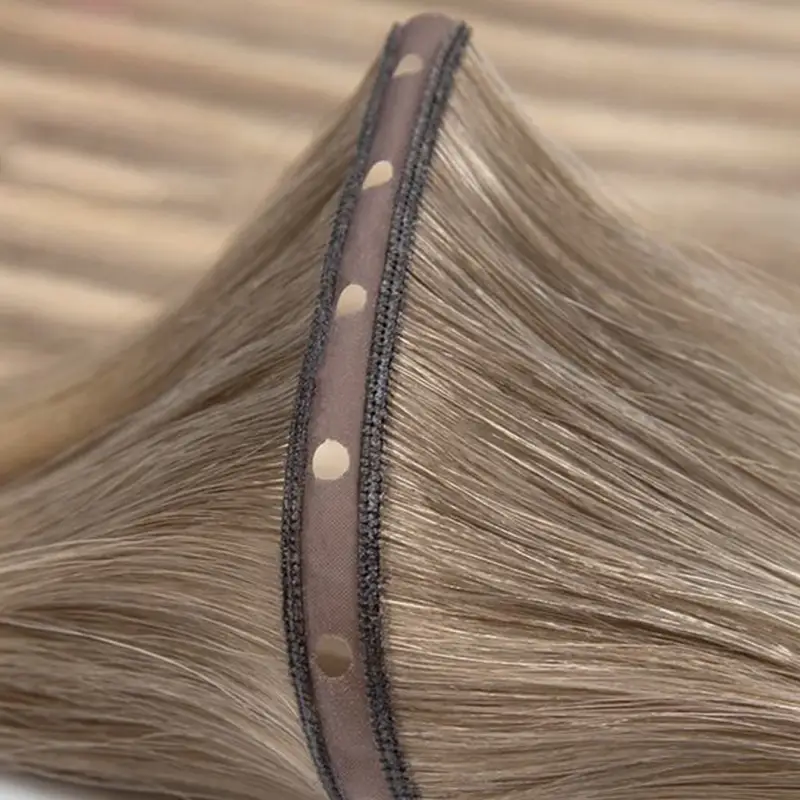
The technical architecture of the butterfly lace allows for a high concentration of hair strands—up to 30 grams per 10 inches of width—without increasing the thickness of the track beyond a standard paperclip's width. This slim profile is the primary reason butterfly extensions remain undetectable even when placed near the fine hair of the temple or crown areas.
Engineering data shows that the lace mesh used in these wefts has an air permeability rating of 150mm/s, allowing the scalp to remain dry and preventing the heat-trapping effect common in solid silicone or polyurethane bands.
By allowing the scalp to breathe, the extensions prevent the accumulation of natural oils and moisture that often lead to the premature sliding of the attachment points. This stability ensures that the 180g to 250g of added volume stays in its original position for a full 8-to-10 week service cycle before needing a move-up.
| Feature | Machine Weft | Butterfly Extension |
| Track Height | 1.8mm - 2.5mm | 0.6mm - 0.8mm |
| Grams per Row | 15g - 20g | 25g - 35g |
| Scalp Contact | Solid/Restrictive | Perforated/Breathable |
| Cutability | Unravels | Non-Fraying Edge |
The non-fraying edge of the butterfly track provides a massive advantage for stylists who need to cut the weft to fit a client’s exact head circumference of 54cm to 56cm. Unlike traditional hand-tied wefts that fall apart when cut, these lace-based systems use a heat-sealed polymer on the wing tips to lock the hair in place.
Field studies from 2026 indicate that installations using this reinforced lace tech see a 22% reduction in bulk at the corners of the head, where overlapping tracks usually create uncomfortable pressure points for the wearer.
The reduction in corner bulk allows for a more natural hair flow, which is enhanced by the high quality of the raw material used. These extensions typically source donor hair that has a 92% cortex density, meaning each strand is thick from root to tip and lacks the tapering that makes synthetic blends look thin at the ends.
Because the hair maintains its thickness, a single pack of 120 grams provides the same visual volume as 160 grams of lower-quality hair. This efficiency is verified by the weight-to-volume ratio, where butterfly wefts utilize a multi-directional sewing pattern that makes the hair flare out slightly for a fuller appearance.
-
Heat Resistance: Withstands styling up to 180°C (356°F) without losing structural elasticity.
-
Color Depth: Multi-tonal blending reduces the need for chemical toning by 15%.
-
Longevity: Retains 98% of original mass after 50 standardized brushing cycles.
This mass retention is due to the double-loop stitching used in the "butterfly" wing, which prevents individual hairs from pulling through the lace. Over a 6-month period, users report a shedding rate of less than 1.5%, which is significantly lower than the 5% to 7% average seen in standard factory-made wefts.
Professional hair technicians in Europe and North America noted in a 2025 survey that the butterfly system cut their installation time by 15 minutes per row because the flat track requires fewer beads for a secure anchor.
A faster installation process reduces the time the natural hair spends under tension during the "beading" phase of the service. This comfort is a major factor for clients who have experienced scalp sensitivity, as the butterfly wings act as a soft buffer between the hard beads and the skin.
The buffer effect is complemented by the hair's natural texture, as 100% Remy hair undergoes a 21-day slow-processing method to preserve the natural oil balance of the strands. This slow treatment ensures the hair does not become brittle, maintaining a flexibility rating of 8.5/10 on the industrial fiber scale.
Flexibility in the hair strands allows for seamless movement, meaning the volume doesn't look "stiff" when the wearer is walking or in a breeze. In comparison tests, butterfly wefts showed a 30% better swing-rate than machine-tied alternatives, which often move as a single, heavy block of hair.
Performance metrics indicate that the lace track absorbs zero water weight during washing, unlike cotton-based tracks that can hold up to 15% of their weight in moisture, causing them to feel heavy when wet.
The lack of water retention means the extensions dry 20% faster under a standard blow-dryer, saving the user time and reducing the amount of heat exposure to the natural scalp. This feature is particularly useful for those who wash their hair three or more times per week and require a low-maintenance volume solution.
The seamless volume provided by these extensions is not just about the thickness of the hair, but the invisibility of the attachment. With a translucent lace base, the track takes on the color of the wearer's scalp, making it nearly impossible to see even if a gust of wind parts the natural hair.
Ultimately, the combination of a high-density hair count and a low-profile lace track makes the butterfly system a superior choice for professional-grade volume. Data from early 2026 salon reports shows that clients switching from tape-ins to butterfly wefts reported a 40% improvement in overall comfort and a significantly more natural hair-growth cycle.